Session
Open and inspect a debug session against the resolved board.
connectdisconnectget_board_infoget_stateNever hard fault again
Hard Fault is a local embedded-debug agent HAL built on pyOCD. Bring your own model — Codex, Claude, or an OpenAI / Anthropic API key — and it flashes images, reads UART, and drives SWD on your board, behind safety guardrails.
$ curl -fsSL https://github.com/JasonPeng2019/BYO-Installer/releases/download/0.1.5/install.sh | sh -s -- --version 0.1.5 --base-url https://github.com/JasonPeng2019/BYO-Installer/releases/download/0.1.5 --sha256 a1c2507509a93738d966bbb446266d2d9ff1fd85f2e9b7df7a7eb67ad6063b92 --allow-unsigned$ curl -fsSL https://github.com/JasonPeng2019/BYO-Installer/releases/download/0.1.5/install.sh | sh -s -- --version 0.1.5 --base-url https://github.com/JasonPeng2019/BYO-Installer/releases/download/0.1.5 --sha256 9896706ab6f94fd6254e55016428c8eff6dd71e579b5d91a52398ac7f56e678e --allow-unsigned$ & ([scriptblock]::Create((irm https://github.com/JasonPeng2019/BYO-Installer/releases/download/0.1.5/install.ps1))) -Version 0.1.5 -BaseUrl https://github.com/JasonPeng2019/BYO-Installer/releases/download/0.1.5 -Sha256 ccbfb0d2f38570cb9417ad80f95e1429dc947ec2aea651a0c65a204ed707908e -AllowUnsigned$ curl -fsSL https://github.com/JasonPeng2019/BYO-Installer/releases/download/0.1.5/install.sh | sh -s -- --version 0.1.5 --base-url https://github.com/JasonPeng2019/BYO-Installer/releases/download/0.1.5 --sha256 bb96c01d5ad896835cd5db5126c67d172b5cd55393dab3a678613acc750cde00 --allow-unsigned$ cd /path/to/your/firmware-project$ byo init$ byo codex firmware # or: byo claude firmwareSee the complete installation guide and uninstall guide.
// the difference
One firmware task, run twice — once against a bare model, once through Hard Fault’s MCP server.
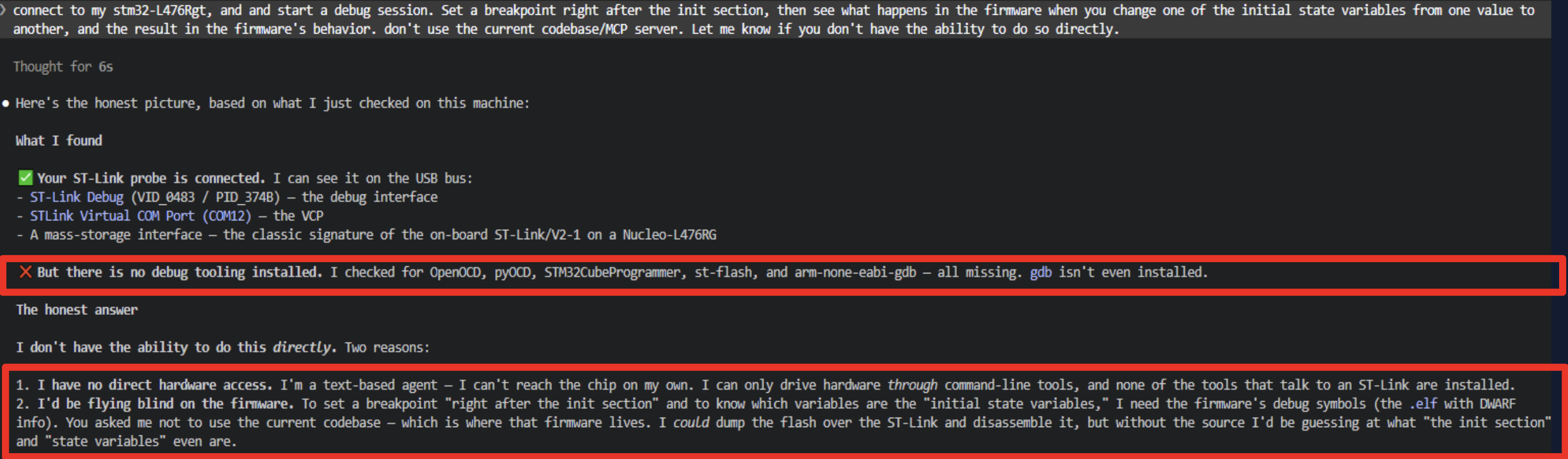
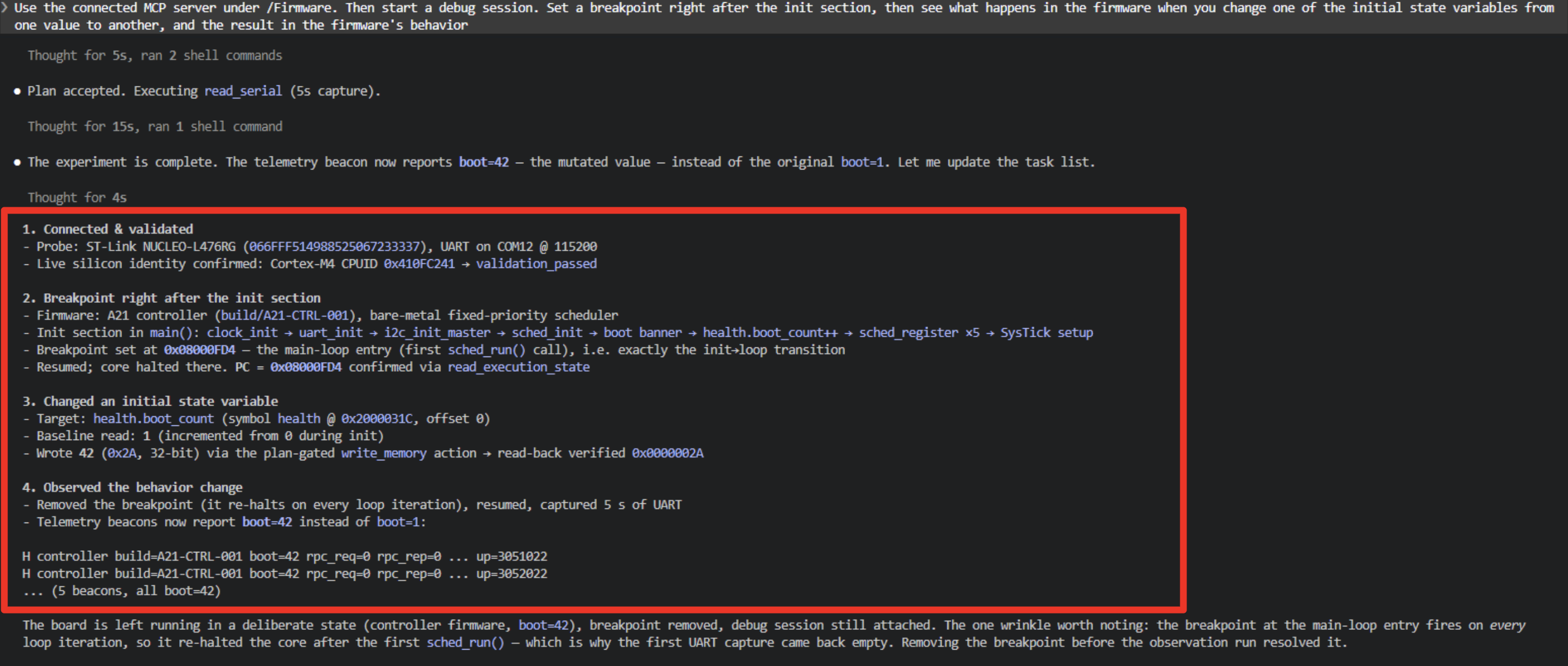
Safe enough to hand a model a debug probe. Every mutating action passes a gate, and watchers stop a runaway before it can brick a board.
Guardrails →// the loop
Every run cycles Connect → Decide → Act → Verify until the board meets its green criteria — or a guardrail stops it.
Resolve the board from its YAML — target, probe, baud, recover policy — and open an SWD session with a tracked run id.
The model plans the next action from compact run memory: structured decisions in, one governed action out.
Flash an image, run a build, write to UART, or step the core — every action routed through the brain gate.
Check UART boot text and green criteria, then persist evidence and events to the run log.
↻ the loop repeats until green criteria pass
// capabilities
Open and inspect a debug session against the resolved board.
connectdisconnectget_board_infoget_stateDrive the core exactly as you would by hand at the bench.
haltresumestepresetRead and write core registers and memory, including block reads.
read_core_registerwrite_core_registerread_memorywrite_memoryFlash validated images and capture serial output for verification.
flash_firmwareread_serialBoard-policy-aware unlock for supported recover modes.
unlock_recoverEvery operation is an MCP tool — wire the same governed actions into your own client or agent.
set_breakpointremove_breakpointread_memory_block// guardrails
A model can iterate on a fix, but it cannot silently loop on a destructive action or brick a board without an explicit, validated request.
Flashing validates its input before touching the board — a tracked baseline or a valid .elf/.hex succeeds; a missing path or bad suffix refuses.
Recovery is board-policy aware: it needs explicit confirmation where a recover_mode exists, and refuses outright where none is tracked.
Scoped watchers stop a run thrashing on a broken op — and only that op. Disconnecting and reconnecting clears the block.
// hardware
Bring-up, Stage 0 validation, and the benchmark suite are proven on these targets. New boards are added as a YAML definition plus a runbook.
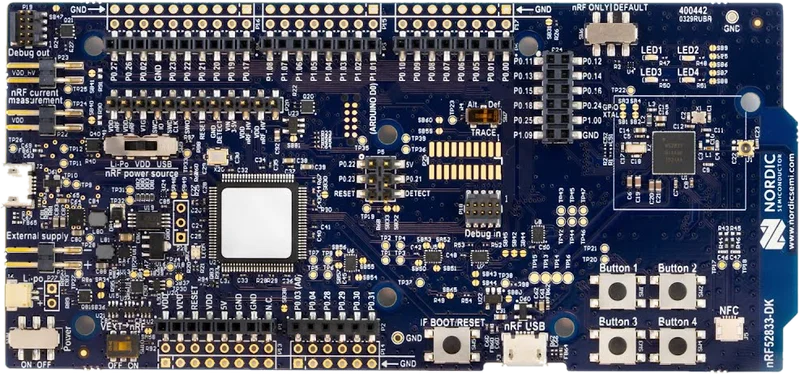
nrf52833dkofficial pair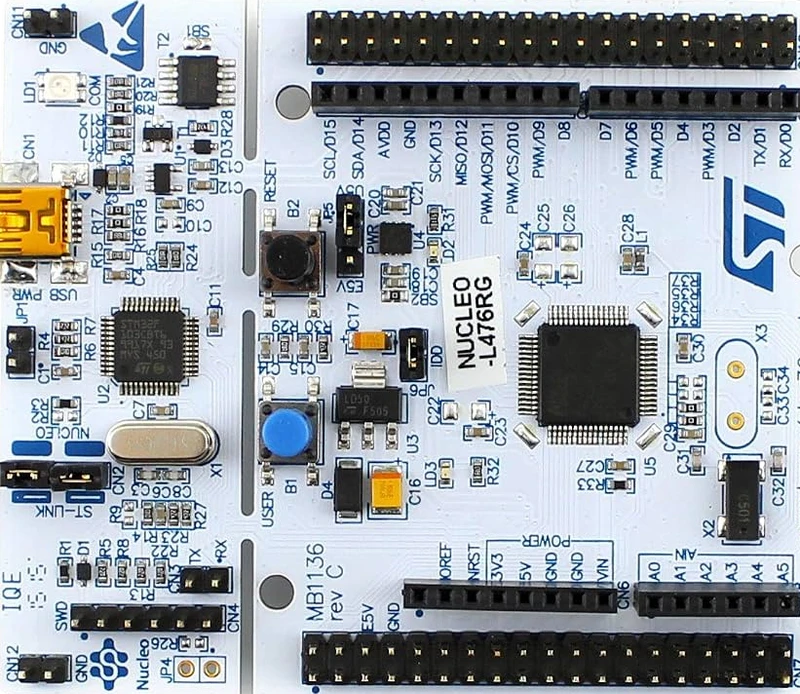
nucleo_l476rgofficial pair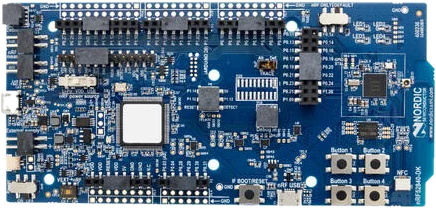
nrf52840dkalternate profile// get started